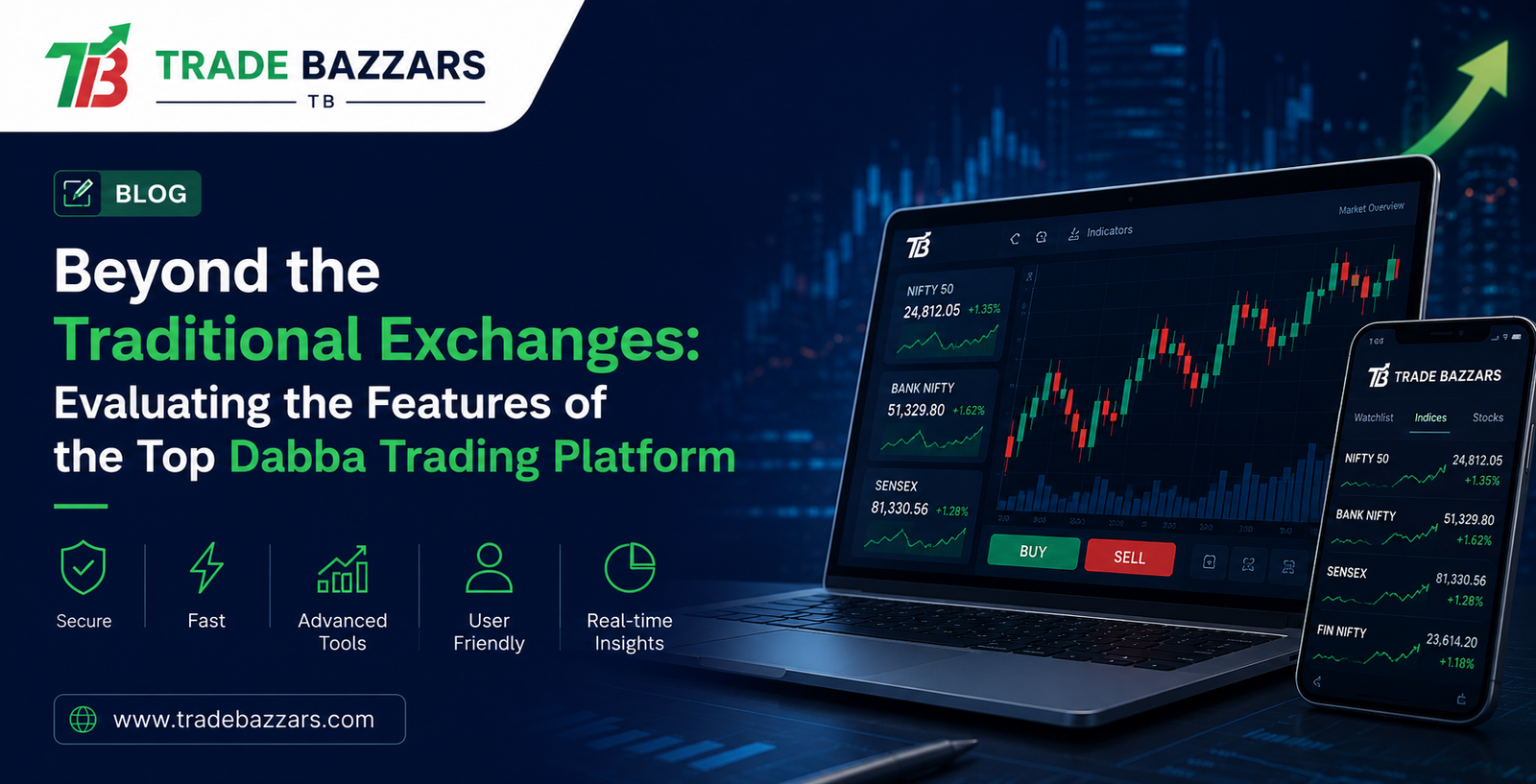
The Indian financial landscape has always been a tale of two markets, where on one side, it is sterile, high-walled corridors of regulated exchanges like the NSE and BSE, and on the other side, a high-velocity parallel ecosystem. The thriving ecosystem caters to traders who find traditional systems too restrictive, too expensive, and too slow. Finding the top dabba trading platform in India is no longer just about finding a local contact with a ledger, but is about finding a sophisticated technological partner. It often bridges the gap between old-world leverage and new-world digital precision. The dabba trading platforms demonstrate the shift from handwritten notebooks to cloud-based interfaces. The traders are looking for off-the-exchange efficiency. And this transition represents a significant evolution, moving away from the bureaucratic friction of formal toward a streamlined software-driven experience.
Evolution of the Parallel Market Infrastructure
The history of Dabba Trading is rooted in trust and community, but its future is rooted in code. In traditional trading, the markets were operated via phone calls and physical registries. There was a significant human error risk in this system. But with the leading platforms, it has moved the entire operation to encrypted servers. Every margin call and every trade is recorded with institutional accuracy. This is all because of the digital evolution. With this digitalization, platforms have eliminated the disputes of the past and created a professional environment that rivals the formal sector in execution quality. Also, it maintains the inherent benefits of the parallel market.
Architecture of High-Performance Software
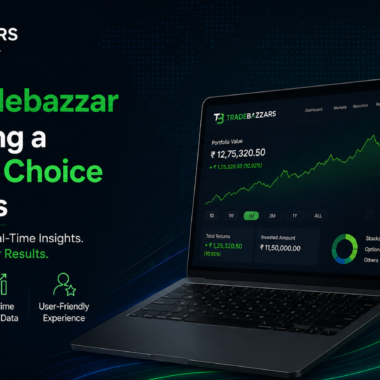
The software architecture must be built for low latency. In a market where a split-second delay can mean the difference between a profit and a stop-loss trigger, the backend must be robust. Most of the trusted dabba trading platforms provide a seamless interface where data flows directly from global liquidity providers to the user’s screen. This architecture allows a smooth trading experience. This also ensures that when you hit the buy button, the ledger reflects that position instantaneously without the circular routing typical of traditional brokers.
Leverage as a Strategic Instrument
SEBI has consistently tightened margin requirements, which effectively price out the small-to-mid-sized intraday trader. But in the parallel market, leverage is a tool rather than a threat. The platforms allow the traders to control significant market positions by offering leverage of about 100x or 200x. This helps in getting significant market positions with minimal upfront capital. It is all about capital efficiency rather than taking bigger risks. Also, it allows the trader to diversify their strategies across multiple assets without locking up their entire net worth in a single margin account.
Integration of the Best Online App
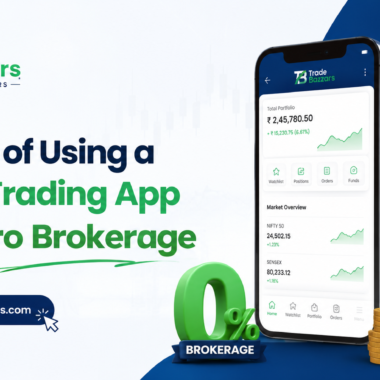
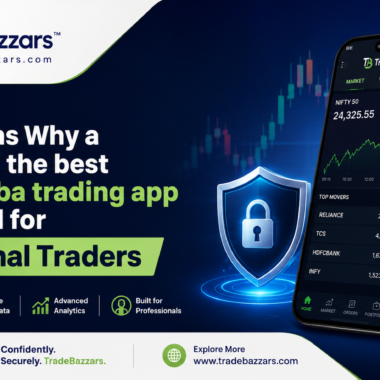
Modern traders are rarely tethered to a desk and are often comfortable with dealing with mobile screens. The demand for mobility has led to the development of the best online app for dabba trading, which has become a tool that packs the power of a desktop terminal into a pocket-sized interface. The mobile apps are generated in such a way as to handle high-speed data feeds without draining the device battery or any lag. An effective app must provide real-time P&L tracking, instant order execution, and secure withdrawal requests. The digital solutions of dabba trading ensure that you never miss a market move, even when you are commuting or in a meeting.
Real-Time Data and Global Market Access
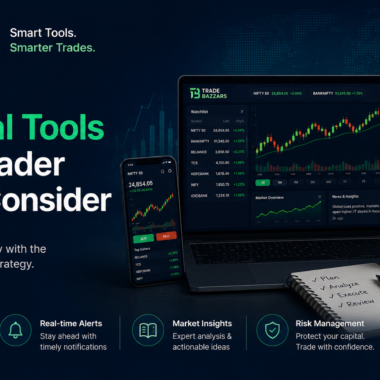
Another feature of Dabba Trading platforms is the ability to aggregate data from across the globe. In the traditional trading website or apps, you are restricted to just Nifty or Bank Nifty, whereas in innovative dabba trading platforms, the high-end software allows you to trade international indices and global commodities like Gold and Silver. All these multi-asset capabilities are delivered through a single login, providing the investor a solution in a single platform. The integration of real-time TBT data ensures that the prices are identical to those on the global exchanges.
Elimination of Transactional Friction and Taxes
The total removal of the tax drag is considered to be the most compelling economic argument for moving beyond traditional exchanges. The constant leak in your capital bucket can be visible in the formal sector with the Securities Transaction Tax, GST, and stamp duty. But in the private ledger system, these costs simply do not exist. A trader can take small profits multiple times a day to become highly viable. Your edge in the market becomes much easier to maintain when you don’t have to pay a fee to the government every time you click a button to trade.
Simplified Settlement and Faster Capital Rotation
Brokerage cycles and traditional banking are notoriously slow. To make the funds withdrawable, it takes T+1 or T+2 days. But in the parallel market of Dabba trading, it operates on a much faster heartbeat. It is a notable feature that the dabba platforms and the software providers facilitate daily or weekly settlements. This allows the traders to reinvest their profits almost immediately. The speed at which the capital can be recycled is just as important as the profit percentage itself to a professional trader. The dabba trading ecosystem is designed for this rapid rotation.
Bottom Line
The world of trading has moved far beyond its informal roots. The dabba trading platforms are prioritizing high-speed software, massive leverage, and the total elimination of statutory overheads. Also, AI-driven technology platforms are offering a genuine alternative for the Indian trader.